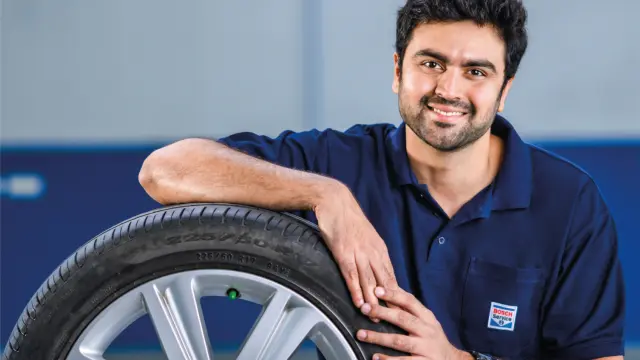
Shock absorbers | Suspension service

Shock absorbers | Suspension service

A suspension service checks the parts that support, steer and stabilise your car. It helps maintain predictable handling, ride comfort and tyre contact with the road.

Suspension service at Bosch Car Service:

  • Suspension and shock absorber inspection
  • Suspension safety check through a road test and underbody inspection
  • Inspection and replacement of suspension bushes

Find workshop

FAQs | Suspension service

The technicians at Bosch Car Service use professional workshop equipment to assess suspension faults clearly. Bosch Car Service covers all vehicle makes and models and is not affiliated with any vehicle manufacturer.

What is included in a suspension service?

A suspension service examines the components that help support the vehicle, absorb road impacts and keep the tyres in stable contact with the road. The exact checks depend on the vehicle design and the symptoms reported by the driver.

  • Visual examination of springs, joints, bushes and mountings
  • Shock absorber test for wear, damage or fluid leakage
  • Road test and underbody assessment where appropriate
  • Checks for unusual play or movement in suspension parts
  • Assessment of steering movement and tyre wear
  • Identification of whether wheel alignment or balancing may be required

The technician explains the findings and identifies parts that require attention. If damage is found, the recommended work may range from replacing a worn bush or joint to a complete shock absorber replacement.

No fixed repair scope applies to every car because suspension layouts and component condition vary.

Why is a suspension check important for cars driven in India?

A suspension system affects how steadily a car responds when braking, cornering or travelling over uneven surfaces. Regular assessment is particularly useful when a vehicle is frequently exposed to potholes, rough sections, speed breakers or heavily loaded driving conditions.

  • Worn parts can reduce stability and steering precision
  • Weak dampers may allow excessive bouncing or body movement
  • Damaged components can contribute to uneven tyre wear
  • Early checks can help prevent related parts from being overstressed

A professional suspension safety check helps distinguish normal road feedback from a developing mechanical problem.

Drivers searching for a suspension check nearby can arrange an assessment at Bosch Car Service if handling changes, noises appear or the vehicle no longer settles normally after a bump.

How many kilometres should a suspension last before replacement?

There is no universal kilometre interval for replacing an entire suspension system. Component life depends on the vehicle, load, road conditions, driving style, previous repairs and the quality of fitted parts.

The manufacturer’s maintenance guidance should therefore remain the main reference.

  • Arrange a check after a strong impact with a pothole or kerb
  • Seek advice when ride quality or handling noticeably changes
  • Have visible leaks, damage or uneven tyre wear investigated
  • Include suspension checks in routine vehicle maintenance

The answer to “when to replace shock absorbers” depends on their actual condition rather than mileage alone. A trained technician can inspect both sides of the axle and advise whether continued use, monitoring or replacement is appropriate.

How does a suspension service take place at a service centre?

The process normally begins with the driver describing any noises, vibration, pulling or changes in ride comfort. This information helps the technician reproduce the symptom where appropriate and focus the workshop examination on the relevant area.

  • The vehicle may be assessed during a road test where appropriate
  • The vehicle’s stance, tyres and relevant underbody areas are assessed
  • Accessible suspension parts and bushes are checked for wear and damage
  • Shock absorbers are examined for leakage and secure mounting
  • Joints, bushes and steering-related movement are evaluated

The technician can also identify signs that wheel alignment or balancing may be required.

After the inspection, the technician records the findings and explains which items are serviceable and which require repair or replacement.

The appropriate work depends on the vehicle specification and actual component condition; there is no single standard replacement list for every visit.

What can happen if worn suspension parts are not repaired?

Delaying attention to a confirmed suspension fault can allow handling and ride quality to deteriorate. It may also place additional strain on connected components.

Possible consequences include:

  • Uneven or accelerated tyre wear
  • Reduced stability over bumps or during cornering
  • Increasing knocking or vibration
  • Additional movement in mountings, bushes or joints

Broken shock absorbers or damaged springs require prompt professional attention because they influence vehicle control and tyre contact.

If the car feels unstable, sits unevenly or produces severe mechanical noise, avoid unnecessary driving and consult a qualified service centre.

How much can suspension repair cost?

The car suspension repair cost depends on which component is faulty. A worn bush, damaged spring, failed damper and complete strut replacement involve different parts and labour.

The front suspension repair cost and rear suspension repair cost can also differ because the construction of each axle may vary.

Costs may be influenced by:

  • The component requiring repair or replacement
  • Whether work is required on one or both sides
  • Vehicle-specific parts
  • Additional damage found during inspection
  • Alignment or other related work where required

Bosch Car Service can carry out an inspection first and explain which repairs are necessary before additional work is authorised.

When is a strut replacement needed?

A strut combines suspension functions in one assembly and may include a damper, spring and mounting components depending on vehicle design.

A front strut replacement or rear strut replacement may be necessary when the fitted assembly is damaged, leaking, worn or no longer controlling vehicle movement correctly.

Signs can include:

  • Excessive bouncing
  • Knocking from the suspension
  • Fluid leakage
  • Uneven tyre wear
  • Reduced stability
  • Damage to mounts or related components

If you are looking for information on strut replacement costs, it is best to have the vehicle inspected first, as the cost depends on the type of suspension system and the work required.

How can I help keep my car’s suspension in good condition?

Careful driving and timely inspection can reduce avoidable stress on suspension parts, although normal wear cannot be prevented completely.

On varied Indian road surfaces, paying attention to changes after a hard impact is more useful than waiting for a fixed mileage alone.

  • Slow down safely before potholes and speed breakers
  • Maintain the recommended tyre pressures
  • Inspect tyres for unusual wear
  • Avoid exceeding the vehicle’s specified load limits
  • Arrange checks when new noises or handling changes appear

Include suspension observations in regular maintenance and report symptoms clearly to the service centre.

If you are looking for a car suspension technician near you or need car suspension repair, Bosch Car Service can inspect the suspension system, identify the cause of the problem and recommend the appropriate repair.

FAQs | Shock absorbers

How does a shock absorber work?

A spring allows the wheel to move when it meets a bump, but the spring would continue oscillating without control.

The shock absorber, also called a damper, slows this movement by forcing fluid through controlled internal passages. This converts motion into a small amount of heat and helps the vehicle settle.

A vehicle shock absorber:

  • Controls repeated spring movement after a road impact
  • Helps keep the tyre in more consistent contact with the road
  • Limits excessive pitching, bouncing and body movement
  • Works together with springs, bushes, joints and mountings

An auto shock absorber does not perform the entire task of the suspension by itself. Its effectiveness also depends on the condition of the surrounding components.

How can I tell if my shock absorbers need replacing?

Worn shock absorbers do not always fail suddenly. Their performance may decline gradually, so drivers can become accustomed to longer body movement or a less controlled ride.

Common signs include:

  • Repeated bouncing after the car passes over a bump
  • Excessive nose-diving during braking
  • Increased body movement or leaning in bends
  • Knocking, rattling or clunking from a wheel area
  • Fluid visible on the damper body
  • Irregular tyre wear

If you are wondering whether a shock absorber may be faulty, these symptoms can be useful warning signs, but they do not necessarily confirm the cause.

Worn car shock absorbers, bushes, springs, joints, tyres or mountings can produce similar symptoms. A workshop assessment is the dependable way to identify the cause.

If a shock absorber is leaking oil, it should be inspected without delay to determine the next step.

How can shock absorbers be checked safely?

Drivers can note visible or driving-related warning signs, but a complete examination should be carried out at a properly equipped service centre.

Working beneath a vehicle or removing suspension parts without suitable tools and support can be unsafe.

You can watch for:

  • An uneven vehicle stance on level ground
  • Repeated bouncing
  • Knocking or unusual body movement
  • Irregular tyre wear
  • Visible fluid around the damper area

A professional shock absorber inspection also considers secure mountings, nearby springs, bushes and joints.

A simple push-down test cannot reliably determine the condition of every modern suspension system. If you want to know how to test shock absorbers properly, a professional workshop inspection provides a more reliable diagnosis and helps prevent unnecessary replacement of the wrong component.

Can worn shock absorbers be repaired?

Whether a damper can be serviced depends on its design, condition and the availability of an approved repair method.

Many standard road-car units are replaced when they have failed internally, become damaged or developed significant leakage.

  • The technician first confirms that the damper is the fault
  • Mountings, bushes and springs are checked for related damage
  • The correct replacement specification is identified
  • Components on the same axle are compared for condition

If you notice oil around a shock absorber, it does not always mean that it needs repairing. Slight surface residue can be normal, while active leakage may indicate a fault that should be checked by a professional.

A technician should assess the unit before recommending repair or shock absorber replacement.

Should front shock absorbers or rear shock absorbers be replaced in pairs?

Replacing dampers in axle pairs is commonly recommended because the left and right sides should provide balanced control. However, the correct decision depends on the vehicle manufacturer’s guidance, component design, age and measured condition.

  • Both dampers on the affected axle should be inspected
  • Springs, top mountings and protective parts should be checked
  • Tyre condition and wear patterns should also be reviewed
  • Any related suspension damage should be addressed

A front shock absorber replacement may involve a different assembly from replacing rear shock absorbers.

Some vehicles use separate springs and dampers, while others use strut assemblies. The technician should identify the fitted system before recommending rear shock absorber replacement, front strut replacement or work on other suspension components.

How can I replace a rear shock absorber?

Rear damper replacement requires the vehicle to be supported safely, the suspension load to be controlled and the correct fasteners to be tightened according to the vehicle specification.

Access and construction vary considerably between vehicle models, so this is not a universal do-it-yourself procedure.

  • The fitted suspension layout must be identified
  • The wheel and relevant trim or mountings may need removal
  • The old unit and surrounding parts must be examined
  • The replacement must be fitted and secured correctly

If you are considering how to replace or change a shock absorber yourself, keep in mind that the work can involve risks such as compressed springs, unstable lifting and incorrect installation.

Professional rear strut replacement or damper replacement helps ensure that associated mountings, bushes and the opposite side are also assessed before the vehicle returns to use.

How much does a shock absorber replacement cost?

The shock absorber replacement cost depends on the vehicle type, suspension design, number of components being replaced and whether additional parts such as mounts, springs or bushes also require attention.

There is therefore no single shock absorber replacement price that applies to every vehicle.

Factors affecting the cost can include:

  • Vehicle make and model
  • Front or rear axle design
  • Damper or complete strut construction
  • Number of components being replaced
  • Condition of springs, bushes and mountings
  • Additional suspension work identified during inspection

The shock and strut replacement cost may differ because a complete strut assembly can involve more components and labour than replacing a separate damper.

The shock and strut replacement price should therefore be based on the vehicle and the work actually required.

If you want to know how much a shock absorber replacement costs, Bosch Car Service can inspect the suspension first and explain what work is required before any replacement is carried out.

How much does front or rear shock absorber replacement cost?

Costs can differ between the front and rear suspension because the construction and labour required are not necessarily the same.

The cost of front shock absorber replacement can depend on whether the vehicle uses complete strut assemblies, separate dampers or additional components that need replacement.

Likewise, the rear shock absorber replacement cost and the cost of replacing rear shock absorbers depend on the rear suspension design and the condition of associated parts.

The cost of replacing car shock absorbers depends on the same underlying factors: the vehicle, fitted suspension system, required parts and labour.

A complete quote should therefore follow an inspection rather than relying on one universal replacement figure.

Where can I get shock absorber replacement near me?

If you are searching for a shock absorber replacement nearby, Bosch Car Service can inspect the suspension and determine whether the shock absorbers, struts or related components require replacement.

Depending on the vehicle and findings, the workshop can assess:

  • Front and rear shock absorbers
  • Strut assemblies
  • Springs and mountings
  • Bushes and joints
  • Fluid leakage
  • Uneven tyre wear

If you need shock absorber replacement, repair or servicing near you, use the Bosch Car Service workshop finder to find a suitable service centre.

The required work should be based on inspection rather than replacing parts solely because one symptom is present.

What does a shock absorber change involve?

A shock absorber change involves removing the worn or damaged damper and installing a replacement that meets the vehicle specification.

Before technicians replace shock absorbers, they should also inspect the surrounding suspension components and compare the condition of both sides of the axle.

The work may include:

  • Removing the wheel where required
  • Safely supporting the suspension
  • Removing the old damper or strut
  • Inspecting mounts, bushes and springs
  • Installing the correct replacement
  • Checking the suspension after installation

The procedure varies considerably between vehicle models. For this reason, professional replacement is generally preferable to attempting the work without the correct equipment and technical information.